Small businesses often face the challenge of growing with limited resources. While large corporations can invest heavily in advertising, technology, and expansion, smaller companies usually need smarter strategies to remain
In today’s digital marketplace, a company’s website is often its first opportunity to make a positive impression. Whether you’re a roofing contractor, attorney, HVAC company, healthcare provider, or local retailer,
Stubborn dog training remains one of the most challenging concerns for pet owners dealing with persistent behaviors such as refusing commands, excessive barking, leash pulling, or selective listening. Effective stubborn
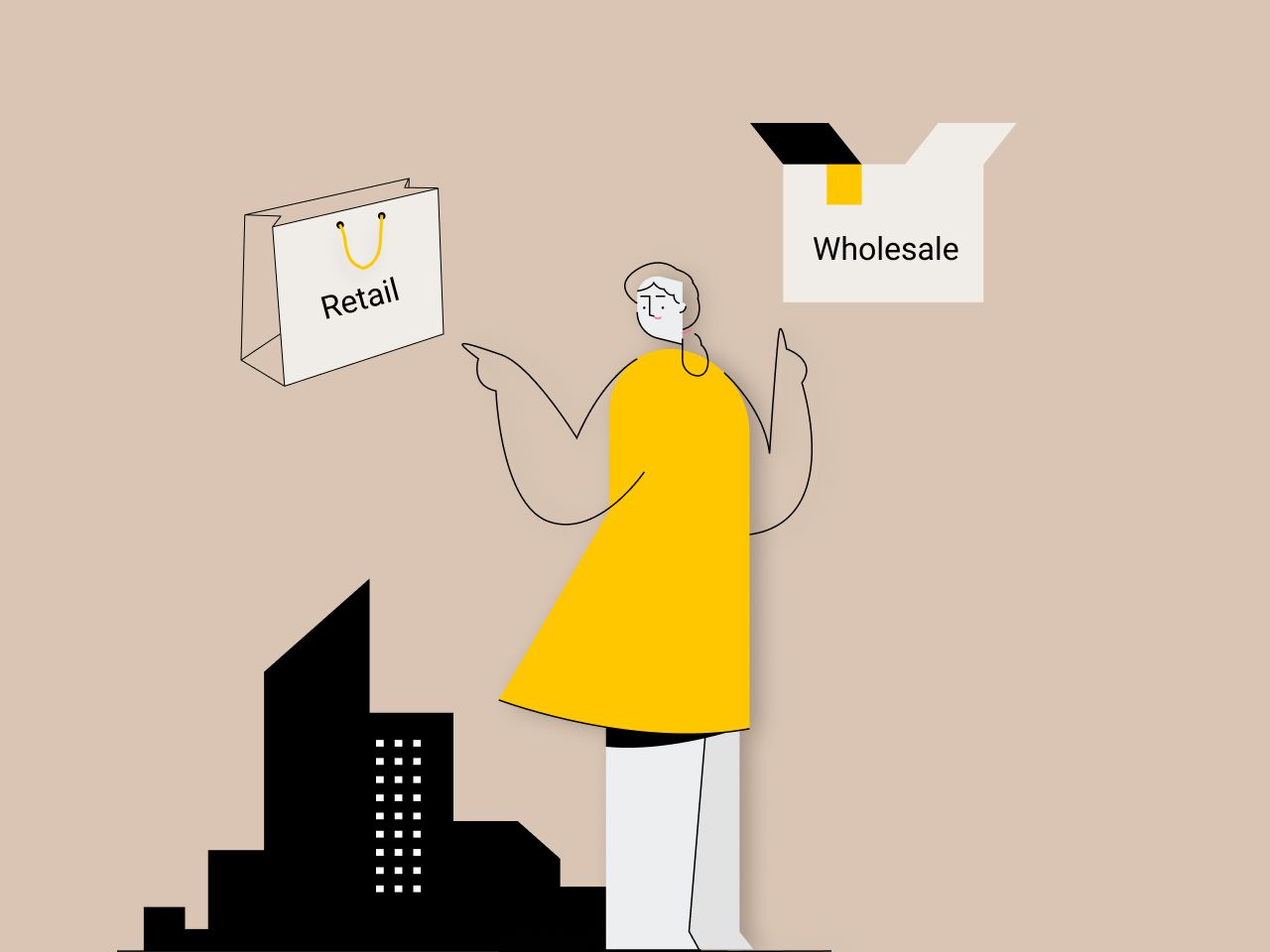
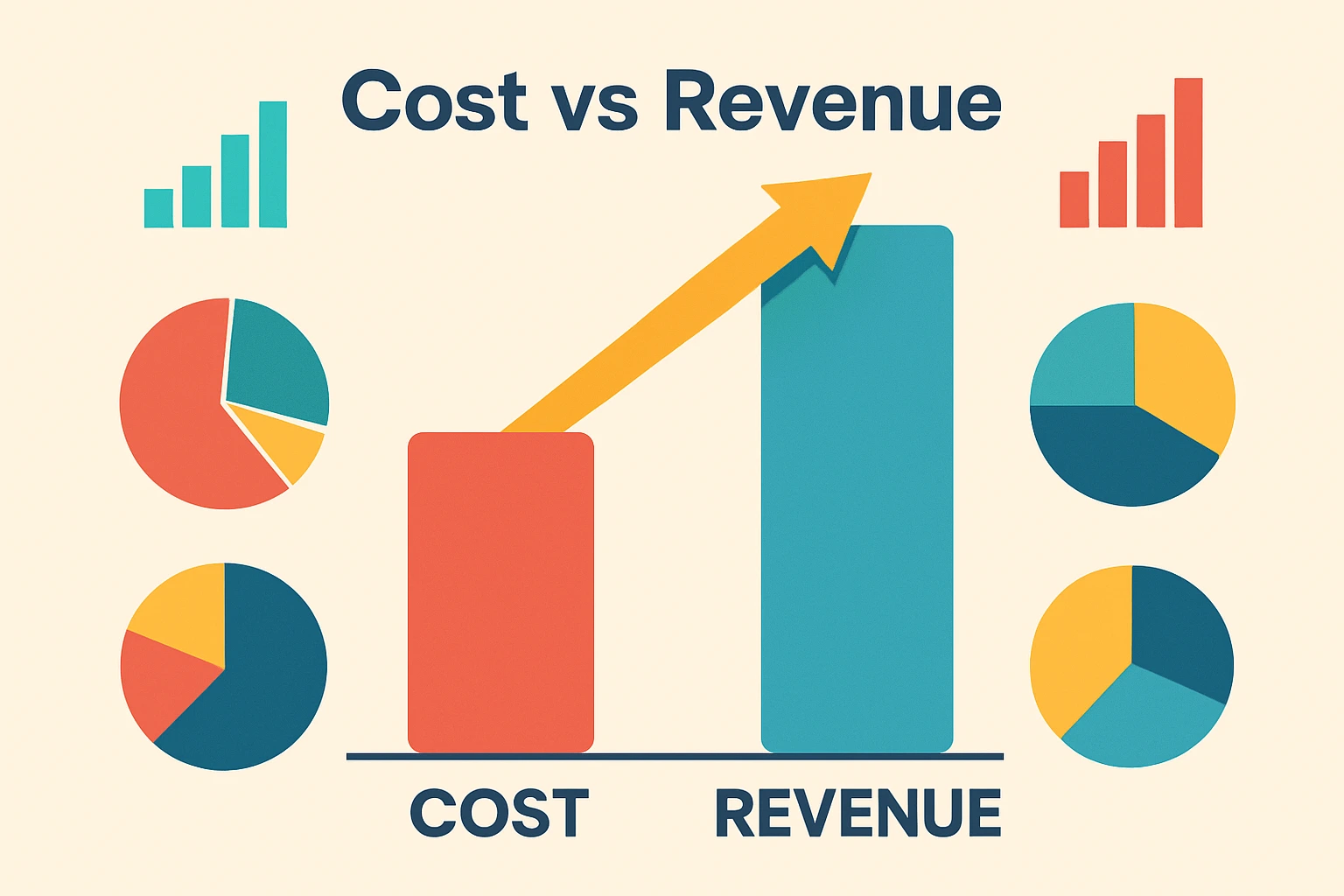
A product can look profitable on paper and still drain cash once a retail buyer places a serious order. That is why the Wholesale Business Model has to start with
A public company does not collapse only when its numbers fail. It collapses when people stop believing the people who checked those numbers. The Arthur Andersen Accounting story still matters
A creator does not wake up one morning with a stable income because a payment button exists. The Patreon Creator Business model works when fans see enough steady value to
Strong companies do not sound loud; they sound useful before the buyer is ready. A thought leadership content plan earns business authority by giving your market a sharper way to
A store can look healthy right up to the week it starts bleeding trust. Sports Authority had name recognition, big boxes in familiar shopping centers, and decades of customer memory,
Many owners treat rewards like found money, then lose half the value through messy habits. A business credit card can help you earn more from purchases you already planned, but
Most bad email campaigns fail before the first subject line is written. The problem is not the font, the template, or the discount code. It is the assumption that access